The cooking oil that we use on a daily basis is something that most of us never think about. You can grab the bottle closest and believe that it will do everything. Oils react differently based on heat, flavor and composition of fats. Understanding those differences is among the easiest methods to cook healthier food at home.
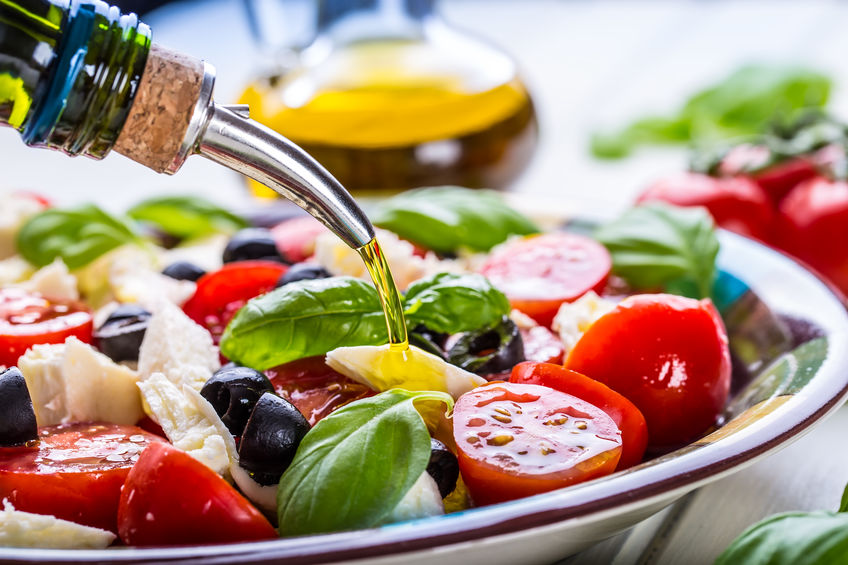
If you are deciding between coconut oil, olive oil, or avocado oil to cook with it is not dependent on the latest trends or news. It should be based on how each oil performs in real cooking situations.
Why oil selection is more important than you believe
Oil performs three crucial functions in the kitchen. Oil transfers heat to food. It can be subtle or noticeable. It also can affect nutrition, depending upon the kind of fat used and its ability to withstand high temperatures.
The oil begins to break down when it is heated to a high temperature. This decreases the nutritional value of the oil and can cause unpleasant tastes. The wrong oil can make food taste flat, bitter or greasy even if it is a good recipe.
Olive Oil for cooking: Best Use with a purpose
Olive oil is widely used and researched cooking oil. Olive oil is produced by pressing olives. It contains a large amount of monounsaturated fats, and antioxidants like polyphenols.
Extra virgin oil is spicy, strong and fruity. This makes olive oil for cooking ideal for salad dressings, marinades, roasted vegetables, light sautéing, and finishing dishes. The flavor is enhanced in these kinds of recipes and not diminished.
Extra virgin olive oil may not have the same smoke point as many people think. To cook at higher temperatures, refined olive oil is better. It has a milder taste and a greater heat tolerance. It is best suited for cooking in high temperature, baking, and roasting.
Used correctly, olive oil offers both flavour and health benefits but it works best when the temperature is kept under control.
Coconut Oil The Coconut Oil is stable, but it is specific.
Coconut oil is very different in comparison to olive oil. Its high content of saturated fat ensures it is extremely stable when heated. Coconut oil is commonly used for cooking due to its high stability.
The refined coconut oils have an extremely mild flavor and are ideal for baking, frying or other uses where the stability of heat is important. Unrefined coconut oil is a strong coconut scent and flavor. The flavor may be an advantage in specific dishes, such as curries, stir-fries, or desserts, but it can clash with savoury meals when it is not considered.
From a health perspective, coconut oil is best used occasionally rather than as an everyday staple. It’s good in high temperatures, but doesn’t have the same antioxidant profile as avocados or olive oil.
Avocado oil: heat-friendly and neutral
Avocado oil has gained popularity in large part due to the ease with which it handles heat. The smoke point of avocado oil is one of the highest among all oils commonly employed. It is perfect to grill and cook on.
Avocado oil is higher in monounsaturated oil and vitamin E than coconut oil. This makes it healthier. The neutral taste is perfect for occasions when you don’t wish to let the oil affect the taste.
Avocado oil is a wonderful option to cook with high heats.
Make use of Oils in a Smart Way
There isn’t a perfect oil for every task. It is better to have several options available and to use each of them.
Avocado oil is the best choice to cook at high temperatures. Avocado oil is ideal for high-heat cooking. Coconut oil is an option to provide consistency of heat and the distinct flavor is required.
By understanding these differences and understanding them, you’ll be able to cook with greater consistency and less guesswork.
The more basic the ingredients and the more delicious the food
It’s not required to use expensive ingredients or complicated cooking methods to cook effectively. Small, informed decisions made consistently are the most vital.
It’s easy to increase your confidence and improve the taste and texture of food by learning how to cook using olive oil, avocado oil, or coconut oil. When you know how oils react, cooking will be much easier and more enjoyable.