A drainage system may seem adequate in normal conditions however a severe storm can expose every weak spot in a property’s infrastructure. Parking lots can flood and detention pools can fill up too fast, roads are dangerous, and areas that are low-lying begin to accumulate water. The problem in many cases is not simply rain. The issue is that the location does not have the proper system in place to efficiently move stormwater gravity alone isn’t enough.
A stormwater lift station becomes essential. They are designed for collecting stormwater and then pumping it away from areas where runoff builds up naturally as well as protecting buildings, roads and outdoor spaces. Whether the project is municipal, commercial, industrial or residential, a lift station can play a major role in making the area functional and following a storm.
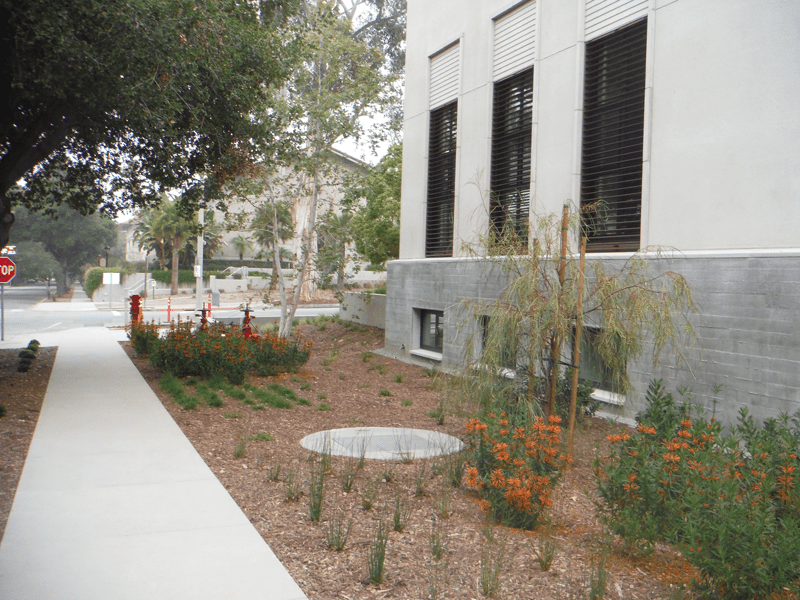
Stormwater management must be planned to suit the specific location.
Every property handles runoff differently. A retail store with a vast parking space paved with asphalt does not function like an apartment complex, and neither of those are as suited for an industrial site or a municipal drainage project. Rates of flow, elevations on the site, detention needs, and discharge conditions all affect how a stormwater management plan should be designed.
Romtec Utilities does not approach stormwater pumping in a standard package. Every system is crafted for the specific pumping situation of a site which includes controlling flooding, emptying detention ponds or wetlands, managing runoff on a newly developed property or for supporting a massive municipal drainage network. The most appropriate solution is dependent on the amount of water that needs to be pumped, the speed at which it must move and the location it has to go.
A stormwater runoff pump station is much more than a mere pump in a vault
A reliable stormwater pump station is much more than a high-powered machine. It is a highly coordinated system, seamlessly blending mechanical, structural, electrical components, as well as control to manage the large volume of stormwater in a consistent and efficient manner. To ensure that the station will perform optimally throughout its lifetime crucial elements like exact pump sizing (including the design of wet wells) and advanced controls, durable pipes, resilient power systems and a live monitor are all required to work in tandem.
The top stromwater designers can be distinguished by their complete system integration. Design that is outstanding does not just fix a drainage problem in the short term, it requires a long-term proactive approach. Top-quality engineering considers the ease of maintenance in the course of time, future requirements for the site and the best efficiency for operation. It is essential to make sure that the package pumping system is able to perform under severe storm conditions that are real-world instead of relying on idealized assumptions.
It is essential to think through your plans carefully, regardless of when you’re dealing with torrential flooding or designing municipal networks that have high pressure like clean water booster pumps, since system failures are not an alternative. Romtec Utilities creates stormwater systems that consider these practical realities. The pump stations created by Romtec Utility are designed for a range of applications. Owners also gain from startup assistance, staff-training and documentation.
Better planning creates better flood protection
A properly-designed stormwater pumping station will reduce the risk of flooding and increase the accessibility of the location and protect nearby property from flooding. The pump station is also able to boost the strength of a building by ensuring that the runoff of heavy rainfall is handled quickly and efficiently.
Stormwater infrastructure is easy to ignore until it goes down. When runoff must be actively managed, a solid stormwater lift station is a vital investment for a developer, homeowner, or municipal. With the right design and the right support, a strong stormwater management system helps keep a site safer, more functional, and better prepared for the realities of changing weather.